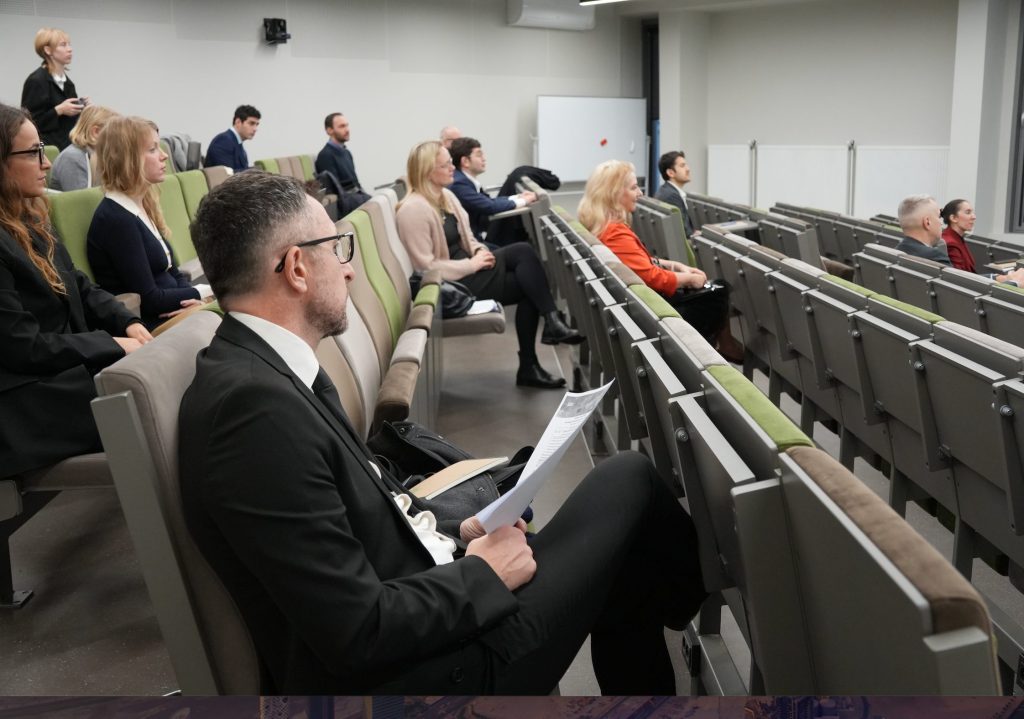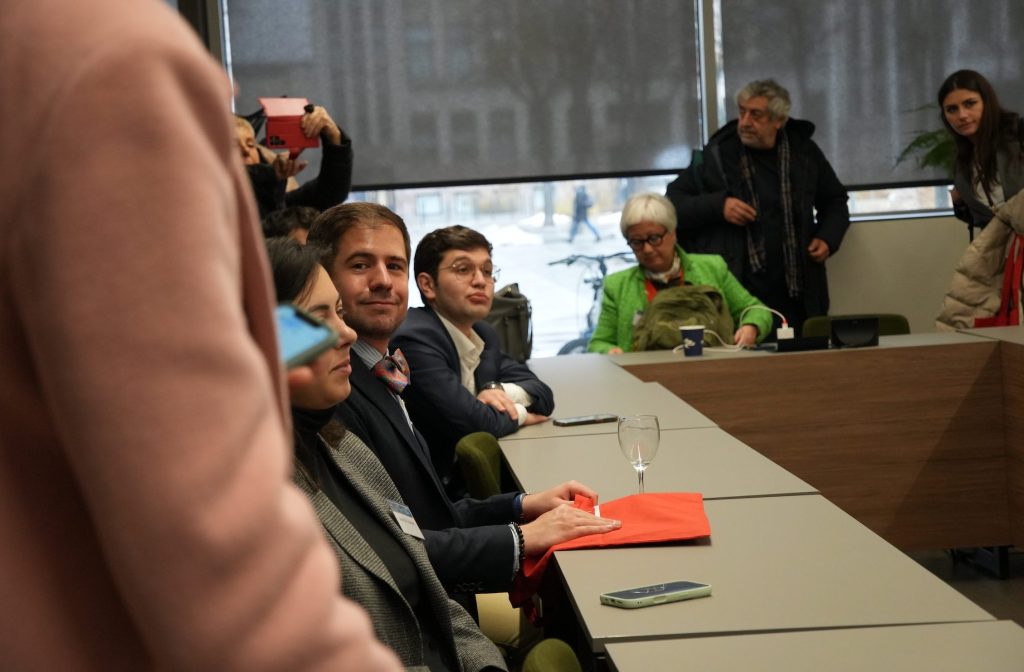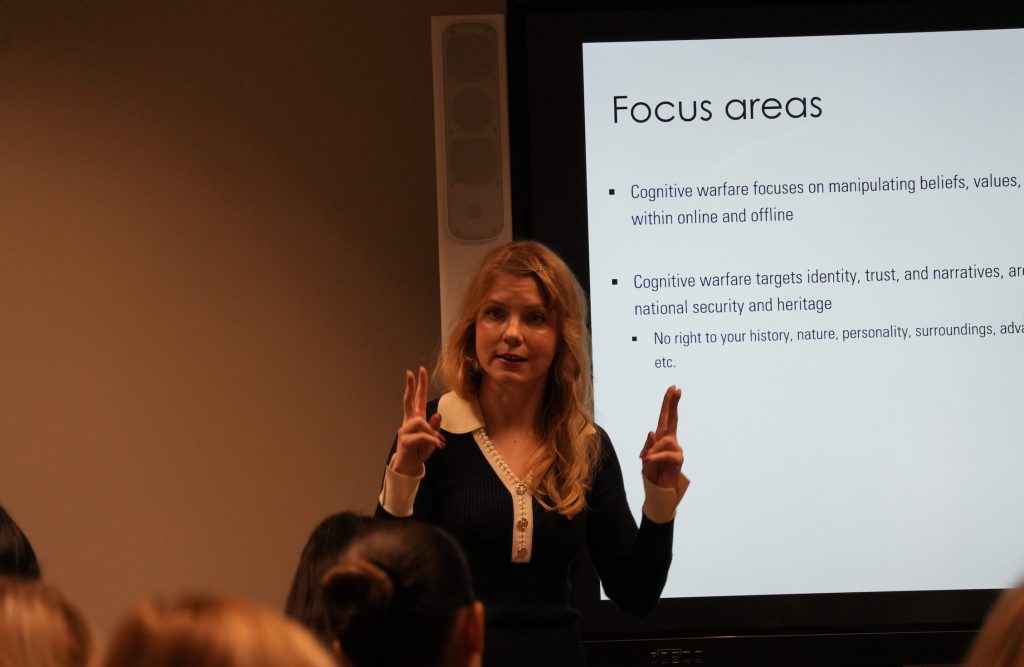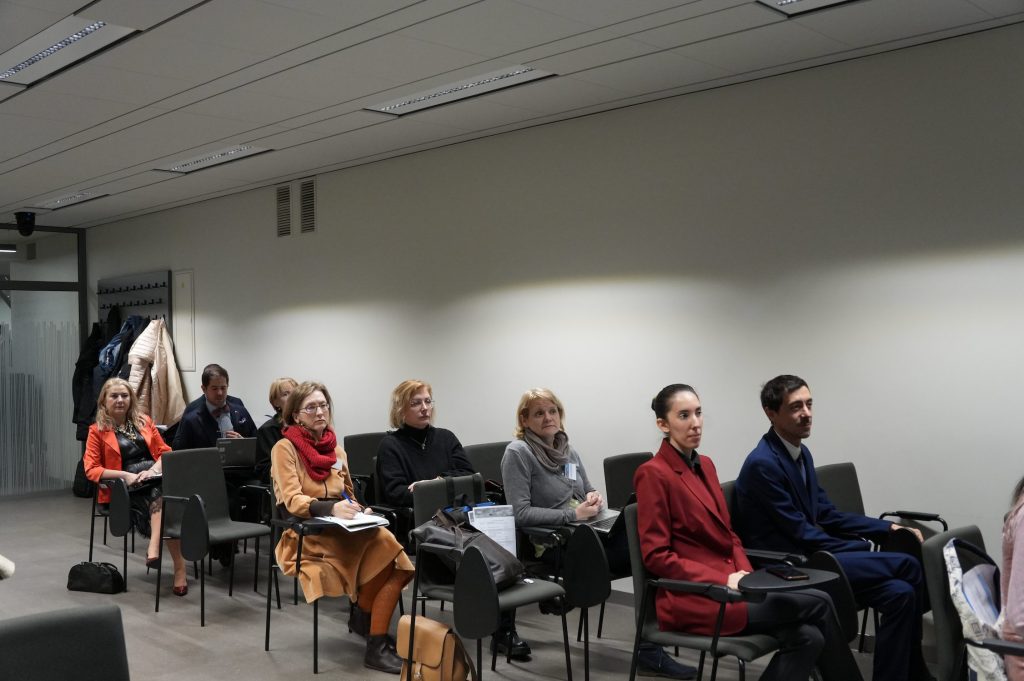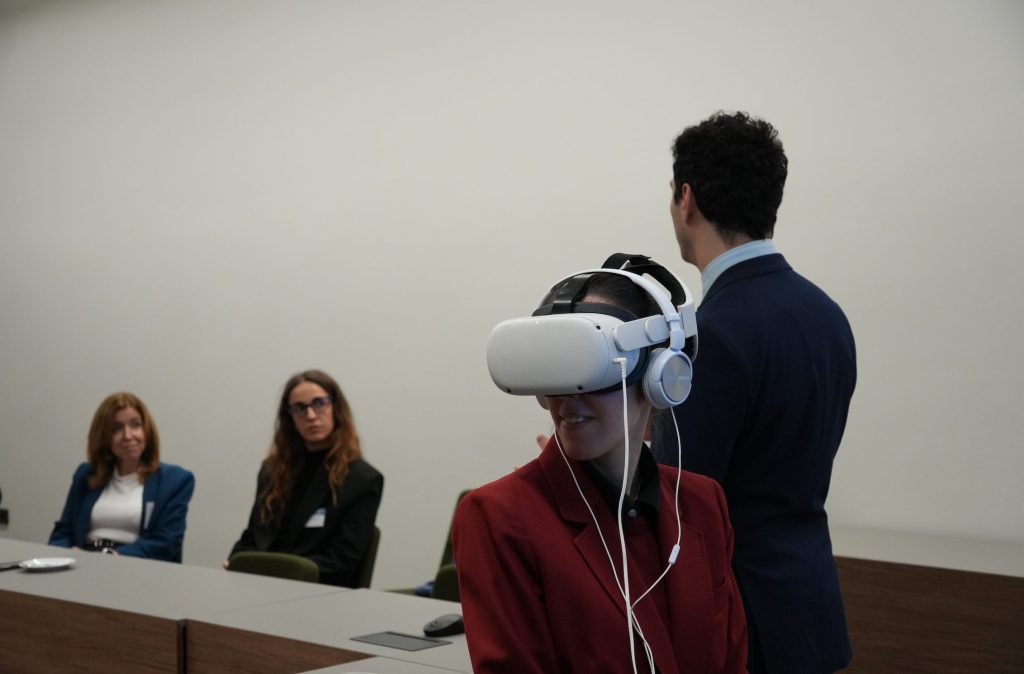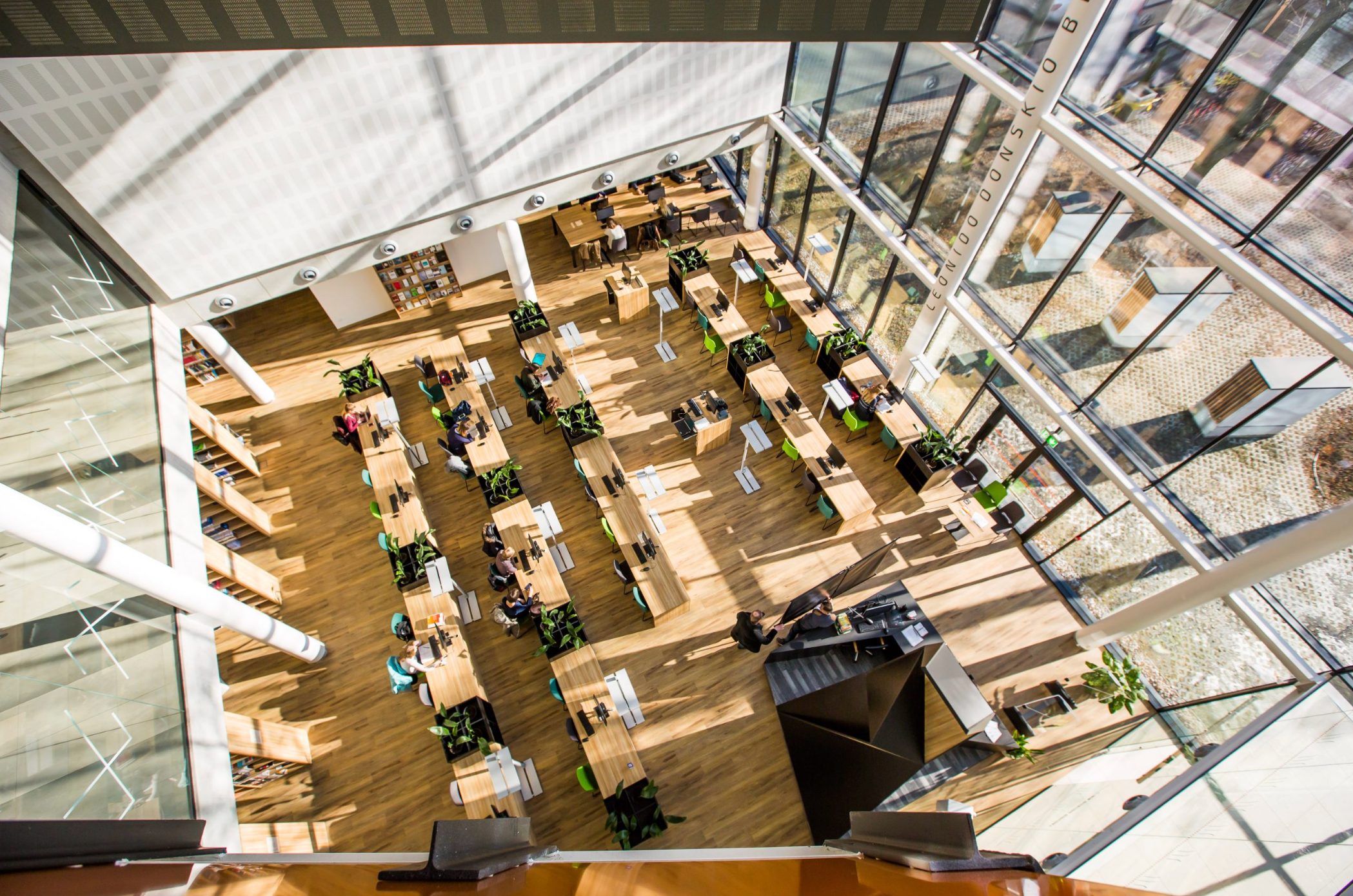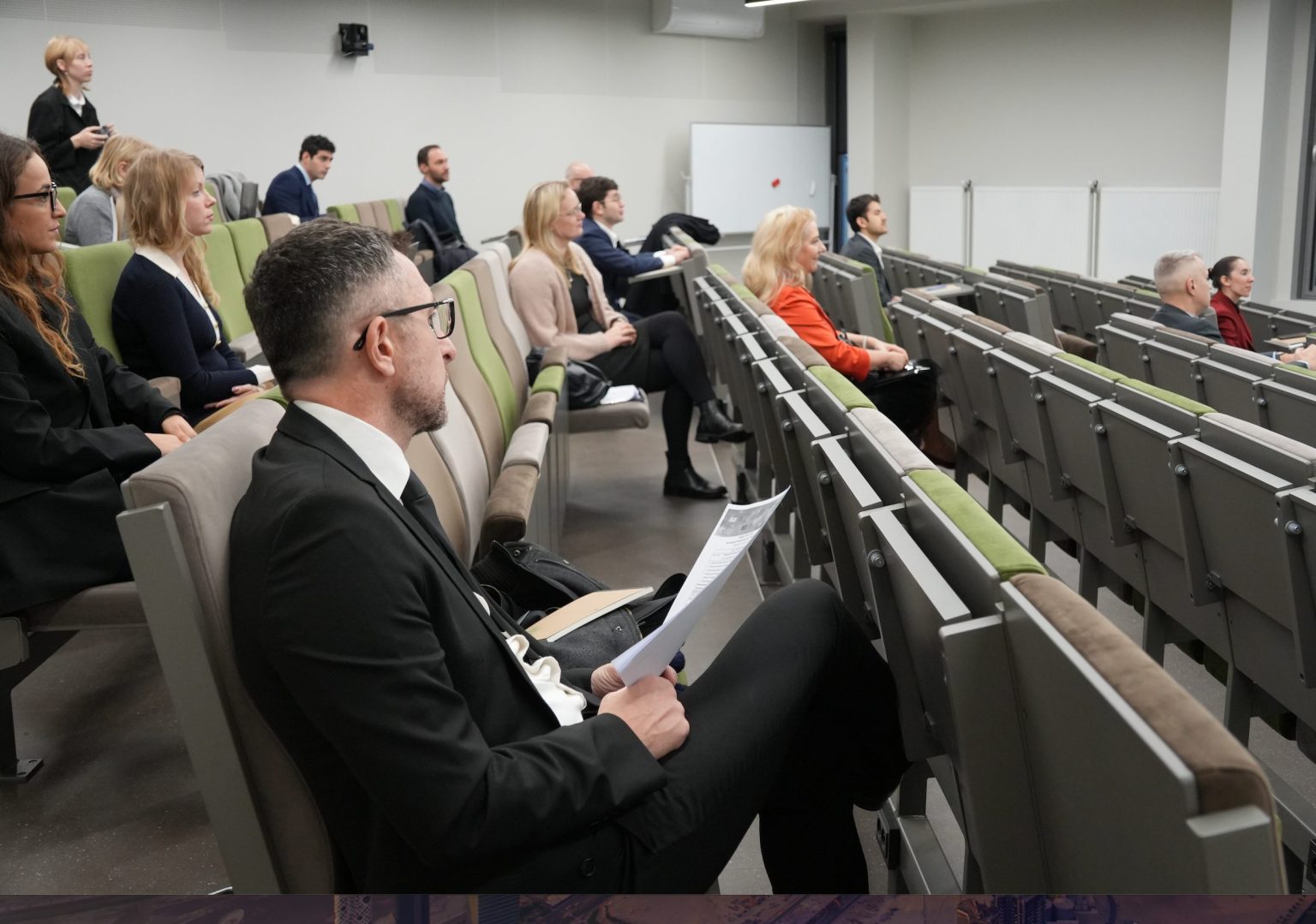
On 4 and 5 December, Vytautas Magnus University (VMU) hosted an international conference Heritage in War and Peace: Technology and Heritage through Past, Present and Future. The event featured presentations by more than 50 scholars from around the world while keynote lectures were delivered by prof. Anna Mierzecka from Warsaw University Lithuania’s vice-minister for culture Viktor Denisenko. The event was organised by the V. Kavolis Transdisciplinary Research Institute, the Faculty of Law, and the Department of Public Communication, all of which are based at VMU.
Together, the presenters explored how cultural heritage is shaped, and often shaken, by the forces of conflict, technology, and global change. Across the sessions, the focus shifted from the deeply material, such as built environments threatened by war and climate change or maritime heritage under pressure, to the immaterial, including questions of memory, identity, and the digital traces that increasingly define our shared past. A recurring theme was the dual role of technology: it enables unprecedented preservation, documentation, and accessibility, yet simultaneously opens new avenues for manipulation, cyber-threats, and geopolitical contestation. Against this backdrop, the participants highlighted how digital innovation has become indispensable and unavoidable in contemporary understandings of heritage.
At the same time, the presenters underscored the legal, ethical, and political complexities surrounding heritage in crisis contexts. Panels delved into the intersections of war, law, and cultural protection, from restitution and trafficking to the challenges of safeguarding vulnerable communities’ heritage during upheaval. The conversations expanded beyond Earthly borders as well, touching on emerging debates around lunar heritage and the governance of outer space. Water, diaspora, and rising sea levels introduced yet more dimensions to how heritage is lived, lost, and reimagined. It has emerged throughout the conference that heritage is a dynamic, contested space demanding new forms of cooperation and new frameworks for understanding what we choose to preserve, how, and why.
This was the fifth iteration of the conference series. Previously, the conference took place in Montreal, Rome, Bologna, and Glasgow. In Kaunas, it was announced that subsequent conferences will take place in Lisbon and Bergamo.
This conference is one of the activities of the project “Strengthening of R&D activities of the Vytautas Kavolis Transdisciplinary Institute of Social and Humanities Sciences (SOCMTEP)”. The project is financed by the Lithuanian Science Council and the Ministry of Education, Science and Sports of the Republic of Lithuania, contract no. S-A-UEI-23-13 (12/27/2023). Funding program – “University Excellence Initiative” (No. V-940).